How to Set Realistic Pain Relief Goals for the New Year
January 7, 2026
A Practical, Body-Centered Approach to Healing with Massage Therapy
The start of a new year often brings big intentions: less pain, more energy, better mobility, improved sleep.
But when it comes to chronic pain, old injuries, or post-surgical recovery, vague resolutions like “feel better” can quickly turn into frustration.
The truth is this: pain relief is not an overnight event—it’s a process.
And the most successful healing journeys begin with realistic, measurable goals supported by consistent care, including medical massage therapy.
This guide will help you set achievable pain-relief goals for the New Year, understand how massage fits into those goals, and learn how to track progress in a way that actually reflects what’s happening in your body.
Why Realistic Pain Relief Goals Matter
One of the biggest reasons people abandon wellness routines is unrealistic expectations. Pain that developed over months or years rarely disappears in one session—no matter how skilled the therapist.
Setting realistic goals helps you:
- Stay motivated
- Recognize real progress (even when pain isn’t fully gone yet)
- Avoid the emotional rollercoaster of “good days vs. bad days”
- Build a sustainable treatment plan instead of chasing quick fixes
Healing isn’t linear—and that’s okay.
Step 1: Shift the Goal From “No Pain” to “Better Function”
Instead of starting the year with:
“I want to be pain-free.”
Try reframing your goal as:
- “I want to wake up with less stiffness.”
- “I want to sit at my desk without neck pain by mid-afternoon.”
- “I want to walk, train, or work without flare-ups.”
- “I want fewer migraines or jaw tension episodes.”
Function-based goals are more realistic and more meaningful.
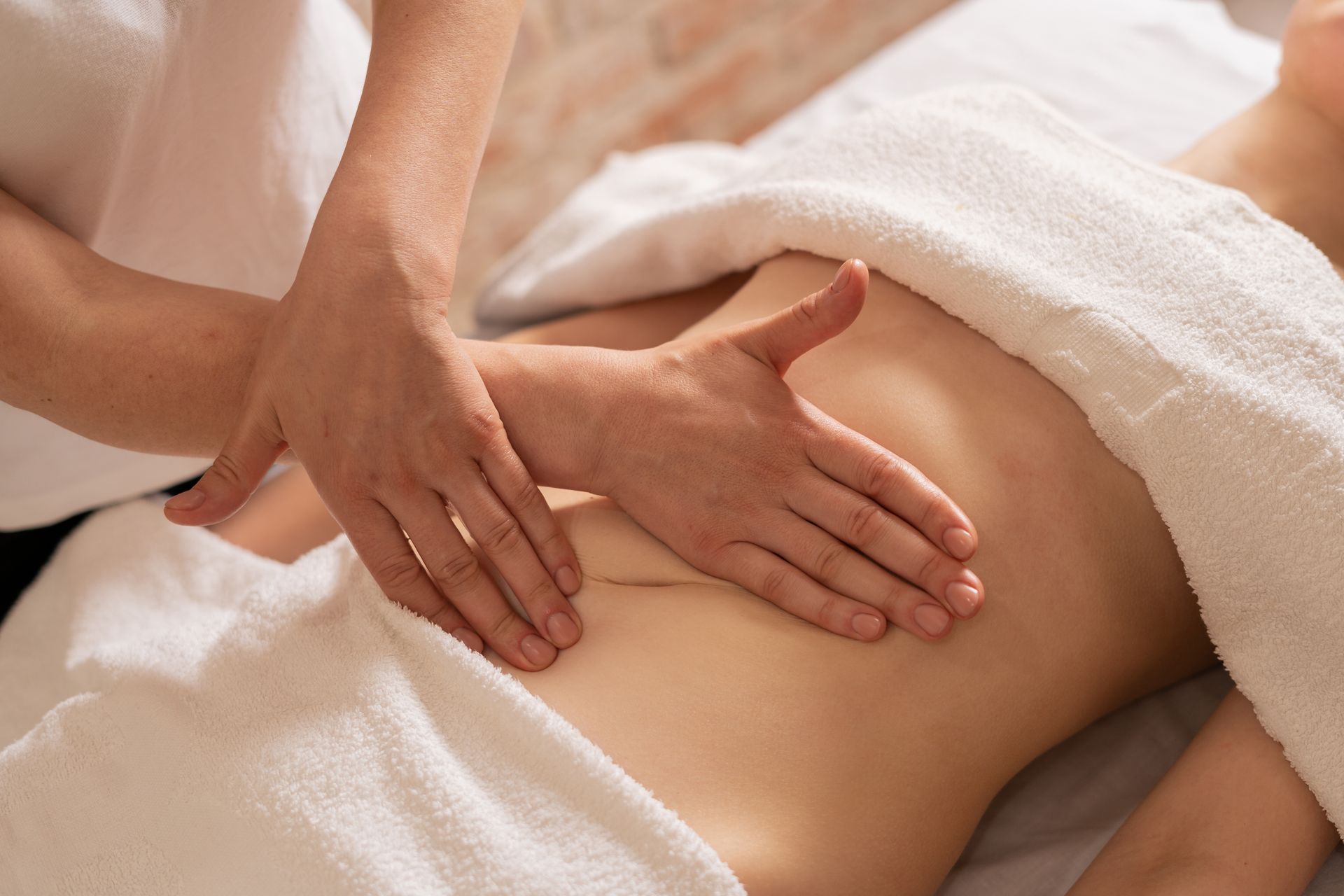
Massage therapy excels at improving circulation, reducing muscular tension, supporting the nervous system, and restoring movement—often before pain fully disappears.
Step 2: Use Massage Therapy as a Support Tool, Not a One-Time Fix
Medical massage is most effective when it’s part of a plan—not a last-ditch effort when pain becomes unbearable.
Massage therapy can help:
- Reduce chronic inflammation
- Improve range of motion
- Break down scar tissue and adhesions
- Calm the nervous system
- Support post-injury or post-surgical healing
- Improve sleep quality and stress resilience
When used consistently, massage helps your body build momentum toward healing instead of resetting to zero each time pain spikes.
Step 3: Set SMART Pain Relief Goals
A helpful framework for New Year pain-relief goals is SMART:
S – Specific
“I want less low-back pain when standing at work.”
M – Measurable
“Pain reduced from an 8/10 to a 4/10.”
A – Achievable
Based on your history, lifestyle, and treatment frequency.
R – Relevant
Supports daily life, work, or recovery.
T – Time-Bound
“Within the next 8–12 weeks.”
Massage therapists can help you refine these goals during intake and adjust them as your body responds.
Step 4: Track Progress Beyond Pain Levels
Pain is only one data point—and not always the most reliable one.
Better ways to track progress include:
- How long relief lasts after sessions
- Changes in stiffness or mobility
- Improved sleep or reduced headaches
- Less reliance on pain medication
- Increased tolerance for activity or exercise
- Faster recovery after workouts or long days
Many clients don’t realize how much progress they’ve made until they look back at where they started.
Step 5: Expect Plateaus—and Don’t Quit During Them
Healing often happens in layers. You may experience:
- Initial rapid improvement
- A plateau where changes feel subtle
- A second wave of progress as deeper patterns release
Plateaus don’t mean massage isn’t working—they often mean your body is integrating change. Staying consistent during these phases is key.
Make the New Year About Progress, Not Perfection
Pain relief isn’t about pushing your body harder—it’s about listening to it more intelligently.
When massage therapy is paired with realistic expectations, consistent care, and thoughtful goal-setting, it becomes a powerful ally in long-term healing—not just temporary relief.
If pain has been holding you back, let this be the year you focus on steady, sustainable improvement—one session, one goal, and one measurable win at a time.
Ready to Start Your Pain-Relief Plan?
If you’re unsure where to begin, working with an experienced medical massage therapist can help you identify realistic goals and create a treatment plan tailored to your body—not a generic resolution.